

€0.36
- There are no more items in your cart
- Shipping
- Total €0.00
- DIVE GEAR
- Casual Dive Wear
- Accessories
- Freediving Accessories
- Neoprene Accessories
- Buoys and Lift Bags
- Cylinders
- Bags and containers
- Compressor
- Regulators
- Hoses
- Foto e video
- BCD
- Light
- Dive Mask
- Wetsuit
- Dry Suit
- Fins
- Rebreather
- Side Mount
- Snorkeling
- Dive Computers & Instruments
- Dive Propulsion Veichle
- COURSES
- REPAIRS

Reference: R6RONT
Brand: Scubatec
Teflon Washer For Scuba Valve
TEFLON WASHER FOR SCUBA VALVE
The anti-friction Teflon washer for axis is used in scuba cylinder's valve to reduce the friction between internal components.
€0.55

Reference: 901061025
Brand: SI TECH
Silicone Wrist Seal SI TECH Replacement Dry Suit Seals Silflex
SILFELX SILICONE WRIST SEAL SI TECH Replacement silicone seal for drysuits with quick change wrist systems.Fits Modular Quick Change Solutions: SI TECH Quick Cuff and Antares, Rolock 90, Santi Smart, Waterproof and Scubapro.Silflex silicone seals are available in black or cyan blue.
€14.94
€18.00

Reference: 46010R29
Brand: DIRZONE
Condom Rochester Wide Band For P-Valve Male Silicone Condom External Catheteres
CONDOM ROCHESTER WIDE BAND FOR P-VALVE MALE SILICONE CONDOM EXTERNAL CATHETERES
CONDOM FOR P-VALVE AVAILABLE IN FOLLOWING SIZES:- SMALL (25 mm)- MEDIUM (29mm)- LARGE (32mm)- XLARGE (36mm)
PACKAGE:
Price is for 1 adhesive condom.
€3.20

Reference: 990001
Brand: MIFLEX
Spare Valve For Miflex And Other Inflator Hose
SPARE VALVE FOR MIFLEX AND OTHER INFLATOR HOSESSchrader valve for quick connection of standard inflation hoses
€3.07

Reference: SP01
Brand: DIRZONE
Flange Screw Replacement Part For Bcd
FLANGE SCREW REPLACEMENT PART FOR BCD SAFETY DUMP VALVE FOR WING AND ALERT MARKER
Replacement BCD flange for corrugated elbow, safety dump valve for wing and SMB.Can be screw on any textile, no welding required
PACKAGE INCLUDED
- 1 Inside bladder nut- 1 Outside bladder nut- 1 Wing double gasket
€12.88

Reference: EFILD
Brand: Scubatec
Filter For Scubatec Din First Stage
Filter For Scubatec Din First Stage
€2.10

Reference: FHP150
Brand: Scubatec
HP 7/16 Rubber Gauge Hose for Scuba Diving
HP 7/16 rubber hose for pressure gauge, designed for durability and high-pressure performance in scuba diving.
Compatible with most setups. Explore pressure gauges and regulator accessories.
€18.33
€21.56

Reference: 61021
Brand: MIFLEX
Miflex Xtreme Inflator Hose 3/8 LP for BCD and Drysuit
Miflex Xtreme 3/8” LP inflator hose for BCD and drysuit, designed for maximum flexibility, durability, and safety.
Compatible with most first stages. Explore regulator accessories and scuba setups.
€28.60
€31.78

Reference: 60190
Brand: MIFLEX
Miflex Xtreme 3/8” LP Regulator Hose for Scuba Diving
Miflex Xtreme 3/8” LP regulator hose, designed for maximum flexibility, durability, and safety during diving.
Explore all scuba regulator setups and regulator accessories.
€26.76
€29.73

Reference: C22028
Brand: Coloplast
Condom Per P Valve Preservativo In Silicone Adesivo Conveen Per Pee Valve
CONDOM CONVEEN OPTIMA FOR P-VALVE MALE SILICONE CONDOM EXTERNAL CATHETERES
CONDOM FOR P-VALVE AVAILABLE IN FOLLOWING SIZES:- SMALL (25 mm)- MEDIUM (29mm)- LARGE (32mm)- XLARGE (36mm)
PACKAGE:
Price is for 1 adhesive condom.
€3.20

Reference: VC-BK
Brand: XS SCUBA
Protective Caps For Scuba Valve Xs Scuba - Universal Cap
PROTECTIVE CAPS FOR SCUBA VALVES XS SCUBA - UNIVERSAL CAPUniversal Valve Cap Fits most of scuba valves on the market.Protect the valve outlet of your cylinder with XS scuba PVC caps from dirty and demageNylon cord lanyard included - not attachedAvailable in the following colors:- Black- Blue- Yellow- Pink- Green
€2.40
€6.00

Reference: 10000220
Brand: HALCYON
Halcyon Emdp Snoopy Loops Rubber Band For Harness
HALCYON EMDP SNOOPY LOOPS RUBBER BAND FOR HARNESS
The original Halcyon EMDP rubber band for harness is simply slid onto the harness.
You can fix and secure the backup light with the rubber band.
€1.50

Reference: 66000
Brand: DIRZONE
Bungee Cord 3 - 4 - 5 - 6 - 8 MM Per Meter
BUNGEE CORD Bungee cord for several purposes available in different diameter
€1.54

Reference: 99115
Brand: McNett
Zip Care McNett Lubricant Take Care Of Your Wet and Dry Suit Zipper
ZIP CARE MCNETT TAKE CARE OF YOUR WETSUIT AND YOUR DRY SUIT ZIPPER
€11.07
€12.30

Reference: 602120LXSK
Brand: Dedex
Bottle Latex Wrist Seals Replacement For Drysuit
BOTTLE LATEX WRIST SEALS REPLACEMENT FOR DRYSUITReplacement bottle lattex wrist seals (PAIR) for drysuit.Available size:S - M - L - XL - XXL
€21.41
-
Payments


Light
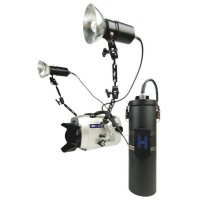
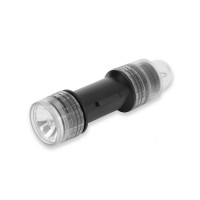
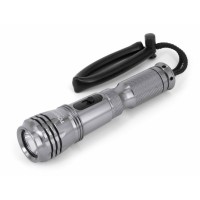
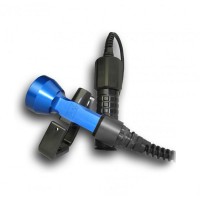


Reference: 25400124
Brand: HALCYON
Charger Halcyon For Eos Explorer Apollo Hid Lighting System (110 / 220 Volt)
CHARGER HALCYON FOR LIGHT EOS EXPLORER APOLLO HID LIGHTING SYSTEM (110 / 220 Volt)
€277.78

Reference: 23035
Brand: DIRZONE
E/O Cord Blinding Plug Connector Protection For Light And Heating Systems
E/O CORD BLINDING PLUG CONNECTOR PROTECTION FOR LIGHT AND HEATING SYSTEMS
E/O CORD BLINDING PLUG Diving Series (E/O) Wetmatable Connectors
€39.98

Reference: 65121
Brand: DIRZONE
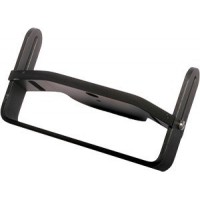
Nielsen Secure Latch FOR Diving Torches AND DPV
Nielsen Secure Latch for Cannisters SS
€11.27

Reference: 25015024
Brand: HALCYON
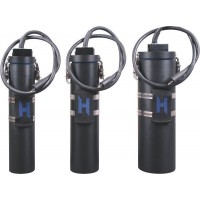
Charger Halcyon Per Apollo Hmi Lighting System (110 / 220 Volt)
CHARGER HALCYON FOR APOLLO HMI LIGHTING SYSTEM (110 / 220 Volt)
€353.89

Reference: 20105006
Brand: HALCYON
Buck Up Light Halcyon Scout Light Hp Led 3 Battery
LIGHT DI BACK UP HALCYON SCOUT LIGHT HP LED 3 BATTERIE
€286.70

Reference: 14010080
Brand: HALCYON
Halcyon 80 LBS Closed Circuit Lift Bag
HALCYON 80 LBS CLOSED CIRCUIT LIFT BAGTechnical Halcyon lift bag with approximately 36 kg (80 LBS) lifting capacity, designed for technical diving, underwater recovery, and surface signaling.Equipped with a closed circuit system featuring non-return and overpressure valves, it provides greater lift stability during ascent and reduces the risk of...
€169.17

Reference: 22088000
Brand: HALCYON
Halcyon E/O Cord For Scuba Diving Torches
HALCYON E/O CORD FOR SCUBA DIVING TORCHES
€125.58

Reference: 20105003
Brand: HALCYON
Buck Up Light Halcyon Scout Light Hp Led 2 Battery
LIGHT DI BACK UP HALCYON SCOUT LIGHT HP LED 2 BATTERIE
€240.21

Reference: 23013
Brand: DIRZONE
Switch Protector For Diving Torches And Scuba Light
SWITCH PROTECTOR FOR DIVING TORCHES AND SCUBA LIGHT
Replacement Switch Protection for Diving Torches and Scuba Light
Switch Protection for scuba light and diving torchesSpare part, fits many diving torches: Halcyon, Light Monkey, Salvo, and more.
PACKAGING INCLUDED
1 Switch Protector for Scuba Light with Screws
€6.15

Reference: 25014126
Brand: HALCYON
Halcyon Battery Pack 2.6 Ah Replacement For Focus E Flare Handheld
HALCYON 2.6 AH REPLACEMENT BATTERY PACK FOR FOCUS AND FLARE HANDHELD TORCHES
Halcyon 2.6 Ah Replacement Battery Pack for Focus and Flare Handheld Torches.
€369.66

Reference: 17210239
Brand: HALCYON
Halcyon Light Flare Handheld With Charger
LIGHT HALYON FLARE HANDHELD CON CHARGER
€1,348.77

Reference: 10041001
Brand: HALCYON
Halcyon Cinch Quick Adjust Harness Light Retainer
HALCYON LIGHT RETAINER FOR CINCH QUICK ADJUST HARNESS
Side support for fixing independent of the primary flashlight battery pack. Available in the following options:- Buckle with sliding loop only (Buckle Assembly)- Support only (Light Retainer) - Buckle and Support (Light Retainer Assembly complete)
€40.97
€43.13
Professional Underwater Lighting for Every Exploration
Proper underwater lighting improves safety, communication and visibility during every dive, from recreational dives to advanced technical explorations. Scuba diving lights allow divers to read the surrounding environment correctly, improve underwater orientation and communicate effectively with their buddy or team even in low visibility conditions.
At MOMODIVE you will find a selection of professional scuba diving lights, underwater video lights, backup dive lights, strobe lights, rechargeable batteries and accessories from some of the most appreciated brands in recreational and technical diving such as Halcyon, Ammonite System and Best Divers.
From compact backup lights to advanced canister light systems for deep diving, every solution is selected to provide reliability, long runtime and consistent performance even in demanding environments.
Scuba Diving Lights, Video Lights and Underwater Lighting Systems
| Primary Lights Professional lighting systems for technical diving, wreck and cave exploration. |
| Back-up Lights Compact, reliable and essential for underwater safety and redundancy. |
| Light Heads Spot and flood light heads for technical, video and modular lighting configurations. |
| Video Systems Video lights and flood lighting systems for underwater photo and video applications. |
| Battery and Charger Battery packs, chargers and power systems for underwater lighting equipment. |
| Spare Parts Spare parts, O-rings, E/O cord connections and maintenance components. |
| Strobe Light High visibility signaling systems for diving safety and underwater identification. |
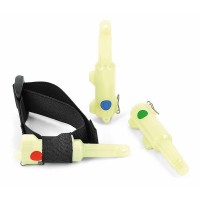
| Chemical Lights Simple and reliable signaling solutions for night dives and diver identification. |
How to Choose a Scuba Diving Light
Choosing the right underwater dive light depends on the type of dive, depth, water visibility and intended use. Some of the most important aspects to consider include:
- Light output: lumen values indicate the intensity of the emitted light.
- Beam angle: a concentrated spot beam is ideal for technical diving and underwater communication, while a wide flood beam is perfect for underwater photography and video.
- Runtime: long or technical dives require reliable batteries and extended burn time.
- Size and configuration: compact lights are ideal as backup lights, while canister systems offer higher performance and longer runtime.
- Build quality and reliability: waterproofing, materials and connection quality are essential during deep or repetitive dives.
In technical diving, for example, a concentrated beam allows more effective underwater communication even in overhead environments or murky water conditions.
Underwater Lighting for Every Diving Environment
Lighting requirements can vary significantly depending on the diving environment. During night dives or dives in low visibility water, a primary dive light with a concentrated spot beam improves orientation and underwater communication.
For underwater photography and videography, divers usually prefer wide and uniform flood beams to achieve more natural lighting and reduce harsh shadows during filming.
In cave and wreck diving, canister systems with external batteries provide long runtime, reliability and optimal beam management even during long and demanding technical dives.
Primary Dive Lights for Technical and Advanced Diving
Primary dive lights are the main source of illumination during a dive. They are designed to deliver a powerful, precise and easy-to-read beam even in difficult conditions.
The most advanced systems use external canister configurations, highly appreciated in technical diving for their extended runtime and improved weight distribution.
Primary dive lights are commonly used for:
- night diving
- deep diving
- cave and wreck exploration
- DIR technical diving
- dives in low visibility environments
Backup Dive Lights and Underwater Safety
Backup dive lights are an essential part of underwater safety. Used as a secondary light source in case of primary light failure, they must be reliable, compact and easy to operate even while wearing thick gloves.
In technical diving it is common to carry multiple backup lights as part of equipment redundancy. Even in recreational diving, a backup light is strongly recommended for night dives and low visibility conditions.
Video Lights and Underwater Photo & Video Lighting
Underwater video systems and video lights generally use wide and uniform beam patterns designed to properly illuminate subjects and underwater environments during photo and video shooting.
Compared to traditional technical dive lights, video lights prioritize smooth and even illumination to reduce hard shadows and hotspots during filming.
These solutions are especially appreciated by underwater videographers, instructors and content creators looking to improve image quality during dives.
Batteries, Chargers and Underwater Lighting Accessories
Proper power management is essential to ensure safety and reliability during every dive. In our catalog you will find rechargeable batteries, battery chargers, canister battery packs, E/O cord connections, cables and accessories compatible with the most popular underwater lighting systems.
We also offer:
- light heads
- spare parts for dive lights
- strobe lights and signaling systems
- chemical lights
- Goodman handles and mounting accessories
Every component is selected to provide compatibility, durability and reliability even during intensive use.
Which Underwater Lighting System Should You Choose?
| Dive Type | Recommended Lighting | Recommended Beam | Suggested Output |
|---|---|---|---|
| Recreational Diving | Compact rechargeable dive light | Medium flood | 500–1500 lumens |
| Night Diving | Primary + backup light | Spot/Flood | 1000–3000 lumens |
| Technical Diving | Canister light system | Spot <6° | Over 2000 real lumens |
| Underwater Photo & Video | Flood video light | Flood >60° | Uniform light output |
| Safety & Signaling | Strobe and chemical lights | Wide beam | High visibility |
The Best Scuba Diving Light Brands
We carefully select brands recognized in the technical and professional diving industry.
- Halcyon: lighting systems designed for advanced technical diving, DIR configurations, cave and wreck exploration.
- Ammonite System: modular systems with high-capacity batteries, professional light heads and advanced technical/video diving configurations.
- Best Divers: backup lights, accessories and compact solutions ideal for recreational diving and freediving.
Learn More About DIR Underwater Lighting Systems
If you would like to better understand how primary lights, backup lights and heating systems are managed in DIR and technical diving configurations, read our in-depth guide:
DIR Underwater Lighting: Primary Lights, Backup Lights and Heating Systems Management
Frequently Asked Questions About Scuba Diving Lights
How many lumens do you need for a scuba diving light?
It depends on the type of dive. Recreational diving and freediving may only require a few hundred lumens, while technical or night dives generally require significantly more powerful lights.
Is a spot or flood beam better?
Spot beams are ideal for technical diving and underwater communication, while flood beams are better suited for underwater photography and videography thanks to their wider and more uniform light distribution.
Is it important to carry a backup dive light?
Yes. A backup dive light greatly increases underwater safety and is considered essential in technical diving while being strongly recommended for recreational and night dives.
Are scuba diving lights rechargeable?
Most modern dive lights use rechargeable lithium-ion batteries that provide long runtime, stable performance and fast charging times.
What does canister light mean?
Canister lights are underwater lights with an external battery pack connected via cable or directly to the light head. This configuration provides extended runtime, improved weight distribution and superior performance during advanced technical dives.
Need Help Choosing the Right Dive Light?
Every dive requires a different lighting setup. Our team can help you choose the most suitable configuration based on dive type, runtime requirements, beam angle and technical or recreational use.
Contact us for professional advice on your next underwater lighting system.