Should you choose a dedicated dive computer or a dive watch? In this guide, we'll compare their strengths,...
Categorie
Ultimi post
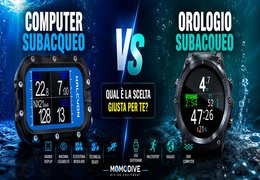
Dive Computer vs Dive Watch: Which One Should You Choose?
Read the full article
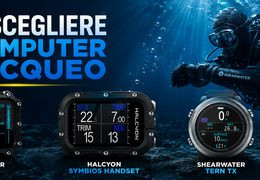
How to Choose a Dive Computer: The Complete Guide to Finding the Right Model
Read the full article
A dive computer is one of the most important pieces of equipment for safe and enjoyable diving. In this comprehensive...

Best Scuba Masks: How to Choose the Right Model
Read the full article
What is the best scuba diving mask? The answer depends on your face shape, diving style and personal preferences. In...
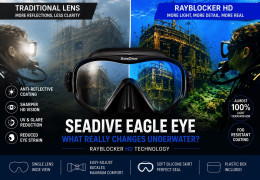
SeaDive Eagle Eye RayBlocker HD: What Really Changes Underwater?
Read the full article
The SeaDive Eagle Eye RayBlocker HD is one of the few scuba masks designed not only to provide clear vision, but to...
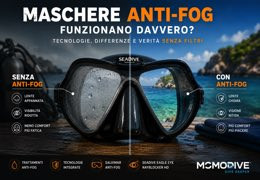
Anti-Fog Scuba Masks: Do They Really Work?
Read the full article
Do anti-fog scuba masks really reduce fogging underwater? Discover how anti-fog technologies work, the differences...
Post popolari

DIR System in Scuba Diving: Philosophy, Configuration and Benefits
Complete guide to the DIR System (Do It Right): what it is, how it works and why it improves safety, trim and...
Read the full article

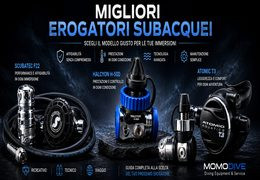
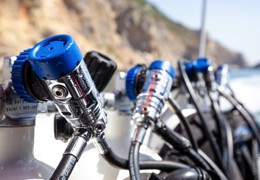
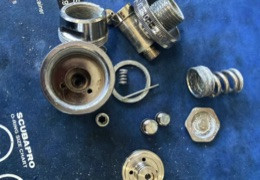
Scuba Regulators: Complete Guide to Selection, Maintenance and Servicing
Complete guide to scuba regulators: how to choose, piston vs diaphragm differences, DIN vs INT (yoke) and when to...
Read the full article

DIR Single Tank Configuration: A Practical Guide to Trim, Buoyancy, and Safety
Improve your trim and buoyancy with the DIR single tank configuration. This guide breaks down the essential...
Read the full article
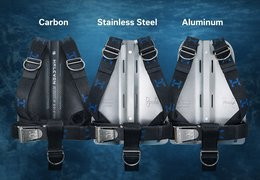
Technical BCD Backplate: A Guide to Steel, Aluminum, and Carbon
Looking to improve your trim and control? Learn how to set up an efficient DIR single tank configuration. From...
Read the full article

DIR Long Hose 210 cm (7 ft): Standard, Routing, and Common Mistakes
The 210 cm (7 ft) DIR long hose is the global standard for primary donation in technical diving. In this guide,...
Read the full article
Post presentato
Dive Computer vs Dive Watch: Which One Should You Choose?
Should you choose a dedicated dive computer or a dive watch? In this guide, we'll compare their strengths,...
Read the full article
How to Choose a Dive Computer: The Complete Guide to Finding the Right Model
A dive computer is one of the most important pieces of equipment for safe and enjoyable diving. In this comprehensive...
Read the full article
Best Scuba Masks: How to Choose the Right Model
What is the best scuba diving mask? The answer depends on your face shape, diving style and personal preferences. In...
Read the full article
SeaDive Eagle Eye RayBlocker HD: What Really Changes Underwater?
The SeaDive Eagle Eye RayBlocker HD is one of the few scuba masks designed not only to provide clear vision, but to...
Read the full article
Anti-Fog Scuba Masks: Do They Really Work?
Do anti-fog scuba masks really reduce fogging underwater? Discover how anti-fog technologies work, the differences...
Read the full article
Tag del blog
buoyancy control
hogarthian
regulator servicing
regulator maintenance
twinset
dir
din vs yoke
momodive
backplate and wing
single tank diving
scuba trim
streamlined diving
long hose setup
dir configuration
diving equipment service
dir system
technical diving equipment
technical diving basics
dir single tank
piston vs diaphragm